Green facades that survive the first summer
 By Jerome Bell
1 Min Read
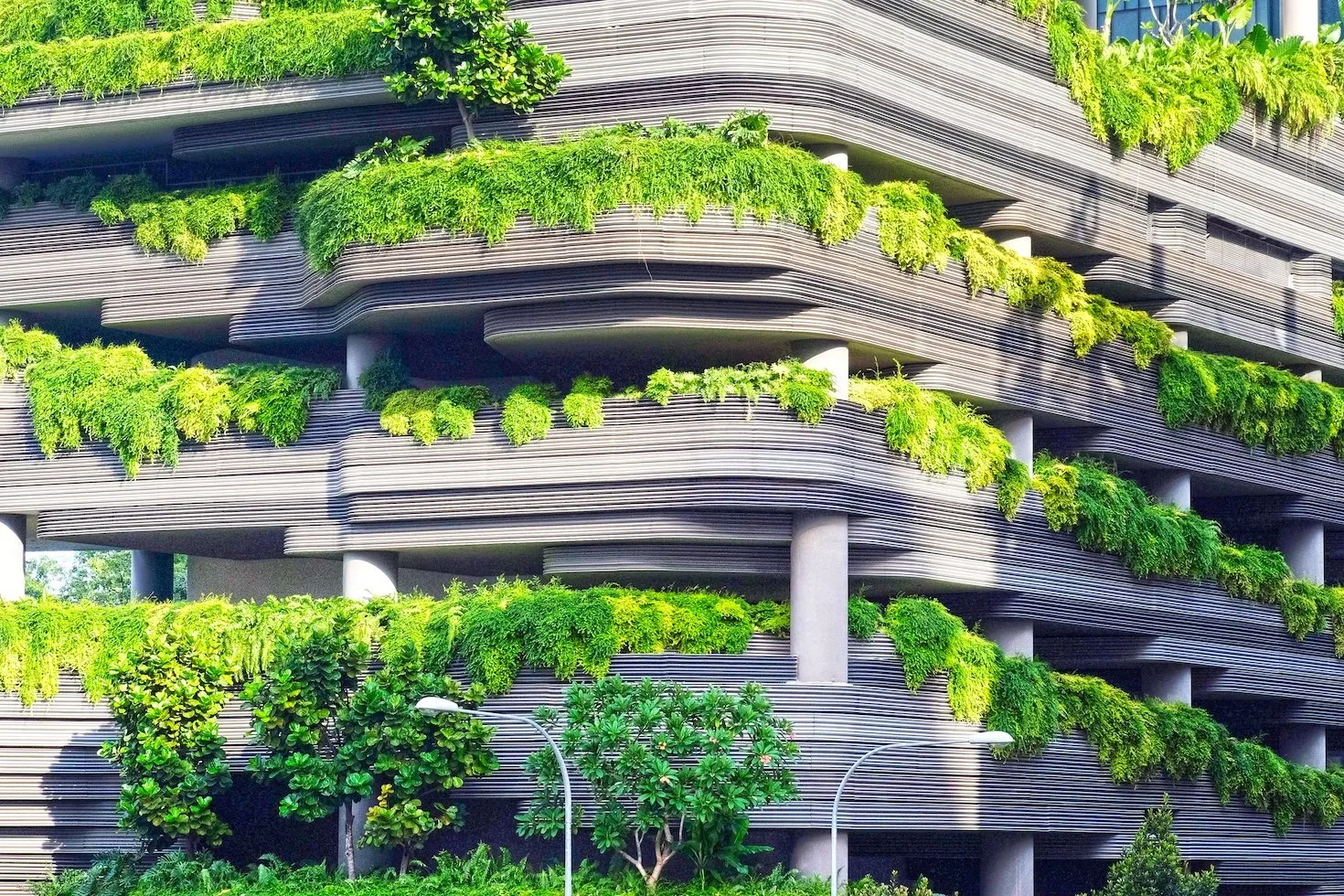
Every competition entry now shows a tower covered in trees. Far fewer of those trees are still alive three years after opening. Green facades can cool a building, clean the air and give birds a home, but only if they are designed as carefully as the structure behind them.
Soil is structure
A tree on a balcony needs a lot of soil – often a metre deep – and wet soil is heavy. That weight has to be planned from day one, with deeper slabs, reinforced planters and a structural engineer who knows the load of a mature tree in a storm.
Water without waste
Hand watering never lasts. We design automatic drip irrigation fed by rainwater tanks in the basement, with sensors that stop watering when it rains. A planted facade should drink rainwater, not drinking water.
- Choose local species that cope with wind and drought.
- Group plants by water need, not just by looks.
- Give every planter an overflow and a way to reach it for maintenance.
Start small
Not every building needs trees on every balcony. A planted roof, a climbing frame on the sunny side or a single green courtyard can bring many of the same benefits at a fraction of the cost and risk. We often start with one well-planted elevation and let the client see how it grows before adding more.
A plan for the gardeners
Someone has to prune, replace and fertilise. We agree a maintenance contract with the client before construction and design safe access – from balconies, roof anchors or a small gondola – so the work can actually be done.
A green facade is a garden that happens to be vertical. Design it for the gardener as much as for the photographer.
Jerome Bell
Done well, a planted building gets better every year: cooler in summer, quieter in the city and full of life on every floor.